Home
Home
The energy shock of 2026 is not just about oil prices going up. It is about how one disruption can move through the whole economy – from oil and gas, to fertilizer, to wheat, and eventually to food prices.
The main pressure point is the Strait of Hormuz, the narrow waterway between the Persian Gulf and the Gulf of Oman. A large share of the world’s oil and liquefied natural gas moves through this route, so when there is a threat to shipping there, energy markets react quickly. This means that energy is not just something we use to fill cars or heat homes. It is built into almost everything: transport, farming, food production, factories, shipping and electricity. So, when energy prices rise, the effect does not stay in the energy market for long.
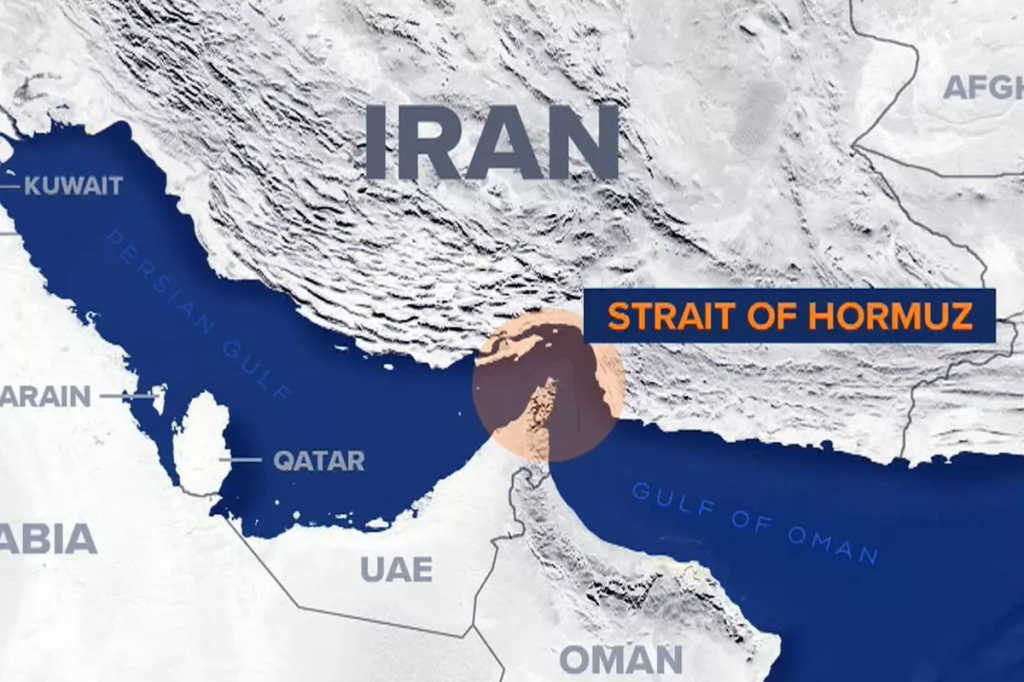
The Strait of Hormuz is one of the most important shipping routes in the world. Oil and gas from the Gulf pass through it on the way to global markets. When the Strait is open and stable, markets can usually cope. But if ships are delayed, restricted, or forced to take on more risk, prices start to rise. This can happen even before there is a major physical shortage, because traders and companies begin to price in what could happen next.
That is why the Strait matters so much. It is not just a local issue. If shipping through Hormuz is disrupted, the impact can be felt in Europe, Asia, the US, and emerging markets. Oil prices usually move first. Gas markets then follow, pushing higher. Shipping and insurance costs can also increase. Over time, the higher cost of energy starts feeding into other parts of the economy.
There have been plenty of energy shocks before. The 2022 crisis, for example, was mainly about Europe losing access to Russian gas after the invasion of Ukraine. The 2026 shock feels different because it is broader. It is not only about gas. It is about oil, gas, shipping, fertilizer, and food costs all being affected at once. That makes it harder for governments and companies to manage.
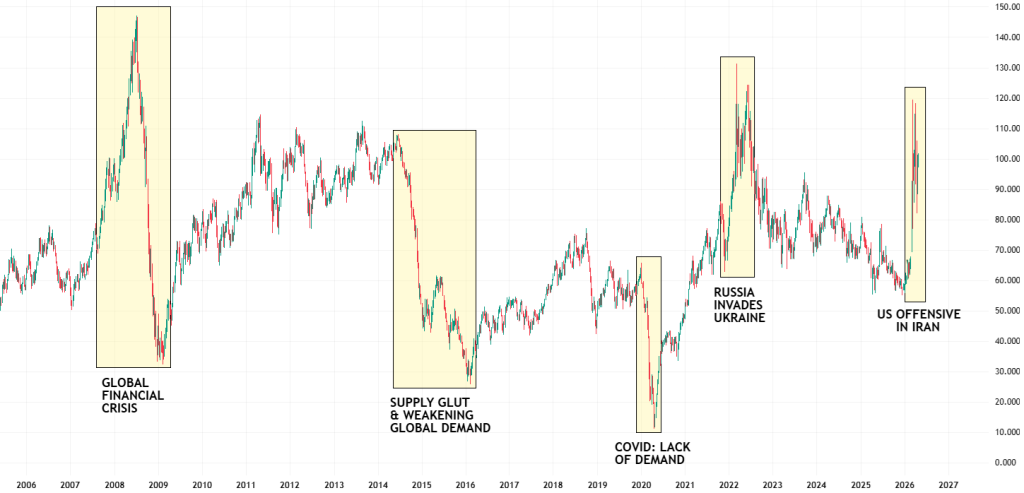
It also comes after several years of disruption: war, sanctions, supply-chain problems, extreme weather and higher interest rates. In other words, the global economy was not exactly starting from a position of strength. That is why this is more than a short-term jump in energy prices. It is another reminder that the global system is all very exposed to a few key chokepoints.
Oil is the most obvious part of the shock. If crude prices rise, petrol and diesel become more expensive. So does jet fuel. Shipping costs go up, trucking costs go up, and the cost of moving goods around the world increases. This matters for businesses because oil is used for far more than transport. It affects plastics, packaging, chemicals and food distribution. Even companies that do not look like energy companies can all be hit by higher oil prices. For households, the impact is more direct. Filling up a car becomes more expensive. Some food prices can rise because it costs more to transport goods. If businesses pass on higher costs, consumers eventually feel it in everyday prices.
Natural gas is another major part of the story. Gas is used for heating, electricity and industry. In many countries, gas-fired power stations still help set electricity prices. So, when gas becomes more expensive, electricity bills can rise too. This is where countries start to look very different from each other. Countries with more nuclear, hydro, wind, or solar power may be better protected from imported gas shocks. Countries that all depend heavily on imported gas are more exposed. Electricity systems also have their own problems. Even if a country has more renewable power, it all needs storage, backup generation, interconnectors and a grid that can cope with swings in supply and demand. But the basic point is simple: when gas prices rise, electricity prices often rise also.
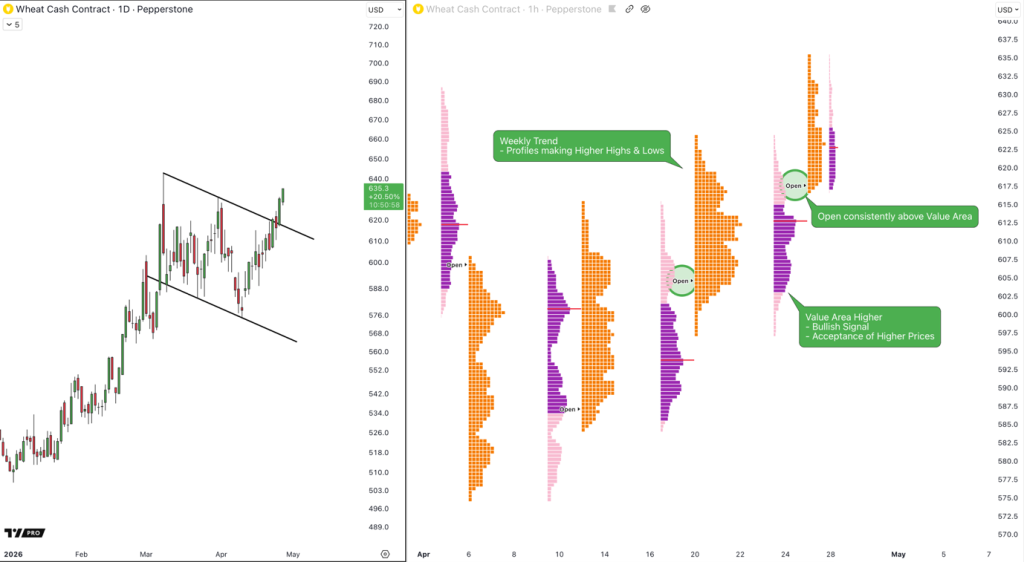
One part of the story that can be easy to miss is the link between energy and food. Wheat prices can be affected by an energy shock because wheat farming depends heavily on fertilizer. The most important fertilisers for wheat are nitrogen-based fertilisers, such as urea and ammonia. These fertilizers are closely linked to natural gas. Gas is used both as an energy source and as a raw material in ammonia production. So when gas prices rise, fertilizer usually becomes more expensive as well. This is where the Strait of Hormuz comes back into the picture. The Gulf is not just important for oil and gas. It is also important for fertilizer exports. If shipping through the Strait is restricted, it can affect the supply of fertilizer and the cost of moving it around the world.
Farmers then face a difficult decision. They can pay more for fertilizer, use less of it, or change what they plant. None of these options is ideal. If farmers use less fertilizer on wheat, yields can fall. The quality of the wheat can also be affected, especially the protein content, which matters for flour and bread-making. This does not mean bread prices rise immediately. Food prices take time to move. There are inventories, contracts, weather conditions, and government policies that can slow down the impact. But if fertilizer stays expensive through the planting and growing season, the higher prices can eventually show up in wheat prices, flour prices, and bread.
So, the chain looks like this:
Strait disruption → higher oil and gas prices → higher fertilizer costs → pressure on wheat yields → higher food-price risk.
That is the part of the shock that makes it more worrying. It is not only about energy bills. It can also affect the price of basic food. The impact will not be the same everywhere. Energy-importing countries are usually hit hardest. They have to pay more for oil and gas, and if their currencies weaken at the same time, the cost becomes even higher in local terms. Poorer countries are more vulnerable because households spend a larger share of their income on food and energy. A rise in fuel and bread prices can quickly become a serious cost-of-living problem. Farmers are also exposed. Higher diesel and fertilizer costs can squeeze margins, especially if crop prices do not rise enough to compensate. Food producers and supermarkets then face higher input costs, which may eventually be passed on to consumers.
Governments can try to soften the blow through subsidies, tax cuts, or price caps. But these measures are expensive. They may reduce the pressure on households in the short term, but they shift the cost onto public finances.
Another consequence of rising energy prices is higher inflation, but the difficult part for central banks is that energy shocks create the wrong kind of inflation. Higher oil, gas and food prices push inflation up, but they also make households poorer. That means central banks face a trade-off. If they raise interest rates too much, they can slow the economy further. But if they ignore the shock, inflation expectations could rise again. This is why energy shocks are so politically difficult. They quickly become debates about interest rates, government spending, subsidies and living standards.
The energy shock of 2026 is about much more than oil. It starts with disruption around the Strait of Hormuz, but it can spread into gas, electricity, fertalizer, wheat, and food prices. That is what makes it important. A problem in one shipping route can end up affecting the cost of bread.
The simple version is this: when energy gets more expensive, almost everything that depends on energy gets more expensive too. And farming depends on energy more than many people realise. The countries that cope best will be those with more flexible energy systems, more secure food supply chains, and less dependence on any single route, supplier or fuel. Energy security, food security, and inflation are all connected. The 2026 shock is a reminder of that.
Understand How Global Events Impact Financial Markets
Energy shocks can have a significant impact on commodities, currencies, equities and wider financial markets. Our Advanced Trading Course helps you develop your understanding of market analysis, trading strategies and risk management techniques used by used by traders when analysing financial markets.